Best time for Upper Mustang Trek
The best time for the Upper Mustang Trek in Nepal is during the end of spring to the beginning of the autumn seasons, specifically from May to September, which constitutes the main summer season. These months provide the most favorable weather conditions for trekking in the region because it is in the rain shadow. During these times as the skies are generally clear, offering stunning views of the surrounding Himalayan peaks.
The Upper Mustang region in Nepal is situated in the rain shadow of the Himalayas, resulting in significantly less rainfall compared to areas on the windward side of the mountains. So, that time typically offer dry weather with minimal precipitation, making it easier to navigate the rugged terrain of the Mustang region.
Temperatures of Upper Mustang Trek
The temperatures in Upper Mustang Region will be varying depending on the season and the specific elevation you are at during your trek. Here is a general overview of the temperatures you might encounter:
Spring (March to May):
- Daytime temperatures: 10°C to 20°C (50°F to 68°F)
- Nighttime temperatures: -5°C to 5°C (23°F to 41°F)
- Spring brings mild and pleasant weather, with warmer temperatures as the season progresses. It's a good time for trekking with comfortable daytime temperatures and cool nights.
Autumn (September to November):
- Daytime temperatures: 10°C to 20°C (50°F to 68°F)
- Nighttime temperatures: -5°C to 5°C (23°F to 41°F)
- Similar to spring, autumn offers mild temperatures during the day and cool nights. This is also a popular time for trekking in Upper Mustang due to the clear skies and favorable weather conditions.
Winter (December to February):
- Daytime temperatures: 5°C to 10°C (41°F to 50°F)
- Nighttime temperatures: -10°C to -5°C (14°F to 23°F)
- Winter brings cold temperatures, especially at higher elevations. Snowfall is possible, particularly in the higher regions, and daytime temperatures can be quite chilly. It's essential to be well-prepared for cold weather if trekking during the winter months.
Summer (June to August):
- Daytime temperatures: 15°C to 25°C (59°F to 77°F)
- Nighttime temperatures: 5°C to 15°C (41°F to 59°F)
- Summer is the monsoons season in Nepal, but the Upper Mustang experiences just few rainfall during this time. The temperatures are warmer, and the trekking trails will be nice for walking. It's most popular for trekking compared to spring and autumn due to the rain shadow.
These temperature ranges are approximate and will be varying depending on the specific location and altitude within the Upper Mustang region. It's necessary to check the weather forecast and be prepared for a wide range of temperatures when planning your trek to Upper Mustang.
Food and accommodations in Upper Mustang Trek
In Upper Mustang, you can find a range of accommodations and food options, although the choices may be more limited compared to popular trekking routes like the Everest Base Camp or Annapurna Circuit due to the region's remoteness and restricted access. Here's what you can expect in terms of food and accommodations:
Accommodations:
Teahouses/Lodges: Along the trekking route in Upper Mustang, there are teahouses and lodges where you can stay overnight. These are basic guesthouses with simple rooms featuring beds, blankets, and sometimes shared bathrooms. While the facilities may be basic, they offer a comfortable place to rest after a day of trekking.
Camping: For those seeking a more adventurous experience or trekking off the beaten path, camping is also an option. However, camping requires carrying your own camping gear, including tents, sleeping bags, and cooking equipment.
Food:
Teahouse Meals: Teahouses along the trekking route typically serve meals such as dal bhat (rice with lentil soup, vegetables, and sometimes meat), noodles, pasta, fried rice, momos (dumplings), and other local and international dishes. Meals are usually hearty and provide the energy needed for trekking.
Snacks: Along the trail, you can find snacks such as energy bars, chocolate, cookies, nuts, and dried fruits at teahouses or small shops. These snacks can be convenient for quick energy boosts during the trek.
Bottled Water: It's essential to stay hydrated while trekking, so bottled water is available for purchase at teahouses and shops along the route.
However, it's also advisable to bring water purification tablets or a water filter to treat water from natural sources if you prefer to reduce plastic waste and save on costs.
Required Permits and cost for Upper Mustang Trek
To trek in Upper Mustang, you need to obtain certain permits due to the region's restricted status as a controlled area. Here are the main permits required for the Upper Mustang Trek:
Restricted Area Permit (RAP):
The Restricted Area Permit (RAP) is the primary permit required for trekking in Upper Mustang. This permit is issued by the Department of Immigration in Kathmandu through a registered trekking agency in Nepal.
The RAP for Upper Mustang is relatively expensive compared to permits for other trekking regions in Nepal due to the restricted status of the area. The cost for the RAP is USD 500 per person for 10 days, with additional fees for extended stays.
Annapurna Conservation Area Permit (ACAP):
Upper Mustang is part of the Annapurna Conservation Area, so, most trekkers access Upper Mustang through the Annapurna region, starting their trek from Jomsom or Kagbeni. As a result, trekkers need to obtain the Annapurna Conservation Area Permit (ACAP) as well.
The ACAP can be obtained in Kathmandu or Pokhara and is required for trekking in the Annapurna region. The cost of the ACAP Permits is around $25.
It's important to obtain these permits before starting your trek, as trekking in Upper Mustang without the necessary permits is illegal and can result in fines or other penalty. Additionally, it's necessary to trek with a licensed guide through a registered trekking agency, as they assist with obtaining permits, logistics, and ensuring a safe trekking experience.
Difficulties for Upper Mustang Trek
Upper Mustang Trek, located in the Mustang region of Nepal, is famous for its unique landscapes, ancient Tibetan culture, and remote villages. The trekking roure is considered moderately challenging, suitable for trekkers with previous hiking experience and a reasonable level of fitness. Proper preparation, including physical conditioning, acclimatization, and logistical planning, is essential for a safe and enjoyable trekking experience in this stunning region of Nepal.
Here's an overview of the difficulty of this trek:
Altitude: The Upper Mustang region lies at a high altitude, with elevations reaching over 4,000 meters (13,000 feet). Altitude sickness can be a concern for trekkers, especially if you are ascend too quickly. Proper acclimatization and gradual ascent are essential to minimize the risk of altitude-related illnesses.
Terrain: The terrain in Upper Mustang varies, ranging from rocky trails to barren landscapes similar to desert areas. Trekkers can encounter steep ascents and descents, as well as narrow paths along cliff sides. Some sections of the trail may be rough and challenging to navigate, requiring good physical fitness and quickness.
Weather: Weather conditions also pose challenges, especially during the trekking seasons. The Upper Mustang region experiences cold temperatures, particularly at higher elevations, with the possibility of snowfall at certain times of the year. Trekkers should be prepared for changing weather conditions and pack appropriate clothing and gear.
Remote Location: Upper Mustang is a remote and isolated region, with limited access to facilities and services. Trekkers may need to be self-sufficient for extended periods to higher trail, carrying essentials such as food, water, and camping gear.
Permit Requirements: Trekking in Upper Mustang requires a special permit, as the region is a restricted area. Trekkers must obtain the necessary permits through a registered trekking agency, which adds an extra step to the planning process.
Why Trek to Upper Mustang?
Trek to Upper Mustang is best choice because the trek offers a unique and memorable experience with its combination of stunning landscapes, ancient cultural heritage, and remote villages.
Here are some of the highlights to choose the trek:
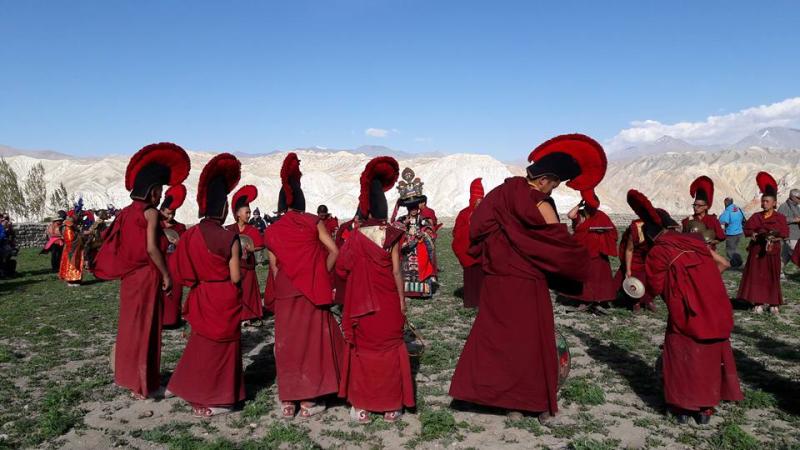
Ancient Tibetan Culture: Upper Mustang is often referred to as a "Hidden Kingdom" because of its historical ties to Tibet and the preservation of Tibetan Buddhist culture. Trekkers can explore ancient monasteries, caves decorated with centuries-old murals, and traditional Tibetan villages. The region's architecture, art, and religious practices provide insights into its rich cultural heritage.
Scenic Landscapes: The trek takes you through diverse landscapes, including barren valleys, rugged mountains, and dramatic cliffs. The unique geology of the region, characterized by windswept rock formations and deep gorges, creates a strange and otherworldly environment. Trekkers can also enjoy panoramic views of the Himalayas, including peaks like Dhaulagiri and Annapurna.
Lo Manthang: The walled capital of Upper Mustang, Lo Manthang, is a major highlight of the trek. This ancient city is home to historic palaces, monasteries, and narrow alleys lined with traditional mud-brick houses. Exploring the streets of Lo Manthang feels like stepping back in time, offering a glimpse into the region's royal past and cultural traditions.
Chhosar Cave Dwellings: Near Lo Manthang, trekkers can visit the ancient cave dwellings of Chhosar. These caves, carved into the cliffs by hand, served as homes and meditation retreats for Buddhist monks centuries ago. The intricate cave structures and wall paintings provide a fascinating glimpse into the daily life and spiritual practices of the past.
Local Hospitality: Throughout the trek, trekkers have the opportunity to interact with local residents, including the friendly and hospitable people of Upper Mustang. Sharing meals with villagers, staying in traditional guesthouses, and participating in cultural ceremonies offer authentic insights into the daily life and traditions of the region.
Packing list for upper Mustang Trek
Packing for the Upper Mustang Trek requires careful consideration of the terrain, weather conditions, and the remote nature of the region.
Here's a comprehensive packing list to ensure you're well-prepared for the trek:
Clothing:
Moisture-wicking base layers: Long-sleeved shirts and pants to manage sweat and regulate body temperature.
Insulating layers: Fleece jackets or down jackets for warmth, especially during cold evenings and at higher altitudes.
Outer shell: Waterproof and windproof jacket and pants to protect against rain, wind, and snow.
Trekking pants: Lightweight, quick-drying pants with zip-off legs for versatility.
Trekking shorts: Breathable shorts for lower altitude and warmer days.
Undergarments: Moisture-wicking underwear and sports bras.
Hiking socks: Wool or synthetic socks for moisture management and blister prevention.
Gloves and hats: Insulated gloves, beanie or hat, and sun hat or cap for sun protection.
Footwear:
Hiking boots: Sturdy, waterproof hiking boots with ankle support and good traction.
Camp shoes: Lightweight sandals or slip-on shoes for wearing around the campsite.
Gear:
Sleeping bag: Lightweight and compact sleeping bag suitable for cold temperatures.
Sleeping pad: Insulated sleeping pad for cushioning and insulation from the ground.
Trekking poles: Adjustable trekking poles for stability and support, especially on steep terrain.
Headlamp/flashlight: Essential for navigating in the dark and inside lodges.
Sunglasses: UV-protective sunglasses with side shields to shield eyes from sun glare and dust.
Water bottles/hydration system: Insulated water bottles or hydration reservoir to stay hydrated along the trail.
Reusable water purification system: Water purification tablets or a filtration system to treat water from natural sources.
Personal first aid kit: Including basic medications, bandages, blister treatment, and any personal prescriptions.
Toiletries: Toilet paper, hand sanitizer, toothbrush, toothpaste, and other personal hygiene items.
Towel: Quick-dry travel towel or microfiber towel.
Sunscreen: High SPF sunscreen for protection against strong UV rays at high altitudes.
Lip balm: SPF lip balm to prevent chapped lips in dry mountain air.
Portable charger/power bank: To recharge electronic devices like phones and cameras.
Miscellaneous:
Cash: Carry enough Nepalese rupees for expenses such as meals, drinks, and souvenirs, as ATMs are limited.
Guidebook/map: A detailed guidebook or map of the Upper Mustang region.
Notebook and pen: For journaling, making notes, or sketching.
Optional Items:
Trekking snacks: Energy bars, nuts, dried fruits, and other lightweight snacks.
Book/e-reader: For entertainment during downtime.
Playing cards or travel games: For socializing with fellow trekkers.
Earplugs and eye mask: To improve sleep quality, especially in shared accommodation.
Visa and passport information
Except for Indian passport holders, all foreign visitors to Nepal need a visa; however, you must have a passport with a six-month validity date in order to apply for a tourist visa. At the Tribhuvan International Airport and the Chinese-Indian border in Tibet, visas are available on arrival. To apply for a visa to enter Nepal, you must have a color photograph in PP size. Please click this link for more details about Visa Information.
Money exchange rate and prices
If you're seeking for the best foreign exchange rates and locations in Nepal, you may easily exchange the majority of your foreign currency at a local bank or authorized money exchange facility in a well-known tourist destination. The Nepal Rastra Bank controls all exchange rates (Center Bank of Nepal). You can exchange small amounts of money at the hotel if you want to. Because our banks will not take dirty or old notes, kindly bring clean and fresh notes.
In order to avoid the time-consuming processes associated with cards and traveler's checks, Nepalese people typically prefer cash in hotels, restaurants, shopping malls, and other locations. You can use an ATM to get cash (in Nepali Rupees) if you have a credit or debit card. In the main tourist city, there are a number of ATM counters with 24-hour service. If you use a card, the maximum withdrawal amount is between 30,000 and 35,000 rupees at once, plus a processing fee of 500 rupees.
You must convert your money in Kathmandu or Pokhara before the hike because the majority of trekking routes do not offer a facility for international currency exchange. Additionally, inquire about the amount of money required for a Himalayan trek from your trekking operator or guide.
Safety and security
When traveling in Nepal, safety and security are crucial issues to consider both on the way to in and out. We are here for you at all times, and we promise to provide the greatest service to all of our cherished clients. Our guides have extensive training in the field of trekking and broad understanding of first aid items. Because it rises more than 4000 m above sea level, it is essential for hiking in Nepal. Because health is crucial, if a trekker becomes ill from the high altitude, our knowledgeable guide discusses the necessary medications and decides to continue the trek while organizing the emergency rescue.
You must be cautious when hiking trails pass one other because they are not wide enough to do so. During the busiest trekking season, there are lots of porters, yaks, mules, and Jokpe along the trail. You must stay on the safe side if you encounter them on a bridge or in a confined space because otherwise they may force you over the edge.
Safe drinking water
For a healthy body while traveling and staying hydrated, clean water is essential. It will be the most effective method of completing the Himalayan journey. If not, getting sick and having diarrhea is simple. Almost everywhere during the Nepalese tea house trip, but not during the camping trek, sells bottled water. Unfortunately, bottled water is very pricey.
Please bring good water bottles (for boiling water) and water purification tablets or water filter bottles since plastic bottles are detrimental for the environment. Reusable water bottles are a good idea because they help keep the mountain clean. If you are concerned about finding a typical water tap to fill up your bottles in the trekking region of Nepal, they are very simple to locate. It can be found in rivers, streams, and lodges.
Travel insurance and insurance policy
Nepal hiking tours: The difficulty levels of the Himalayas range from easy to tough. As a result of the Himalayan climate changing, there is a risk of high altitude and potential mishap.
Trekking in the Nepalese Himalayas demands practical trekking abilities at high altitudes (above 4,000 meters), so travel insurance is essential. If an accident occurs during a trip and requires medical attention or evacuation, the cost of returning to a city and receiving treatment may be significant. Therefore, you must ensure that your insurance covers the price of an air ambulance, medical care, and any risks associated with travel, such as delayed flights and lost, stolen, damaged, or missing baggage. Your complete itinerary while visiting Nepal should be covered by your insurance policy. Make sure your insurance policy covers hikes higher than 5,500 meters. If not, you will be responsible for all unforeseen costs associated with your trek through Nepal.
All trekkers must send a copy of their certificate from their comprehensive travel insurance policy to High Pass Adventure as part of the booking process for trekking and climbing in Nepal.
High altitude sickness information
Mountain sickness is another name for high altitude sickness. You must be aware of high altitude sickness symptoms since they arise rapidly if you hike or ascend to a higher elevation. Here are some details if you're curious as to why it occurs. The air pressure is the main cause of altitude sickness. Your body needs time to adapt to the shift in air pressure when you travel to higher elevations since the air pressure decreases and there is less oxygen present. According to doctors, If you are at sea level, it begins at 8,000 feet (2400 meters).
1) Types
There are three types of altitude sickness:
- Acute Mountain Sickness (AMS): it is very common and symptoms feel like a tiredness, dizzy, headache, thirsty, muscle aches, nausea
- High Altitude Pulmonary Edema (HAPE): it is effect in the lungs, which can be very dangerous and hard to do life threatening
- High Altitude Cerebral Edema (HACE): it is effective in the brain and most difficult to treat and you need to go to hospital attention the right way.
2) Cause
Following are the causes of high altitude sickness:
Generally living near sea level and travel to a high elevation
- Had the sickness before
- Climbing quickly
- Not being acclimatized to the altitude
- Drinking alcohol when you ascend
- Medical problems of heart, nervous or lungs
3) Symptoms
These symptoms will appear depending on your speed to climb and how hard you push. Symptoms range from normal to serious. They can affect the nervous system, lungs, muscles, and heart.
Here are symptoms of High Altitude Sickness:
- Difficulty sleeping
- Dizziness
- Fatigue
- Headache
- Loss of appetite
- Nausea or vomiting
- Rapid Pulse (Heart Rate)
- Short breath with action
- Blue color of skin or gray soft skin
- Chest tightness or blocking
- Confusion
- Dry cough or coughing with blood
- Cannot walk in a straight line
4) Prevention
Important keys to preventing of High Altitude Sickness are:
- Climb the mountain gradually.
- Stop every 2,000 feet (600 meters) of climb above 8,000 feet (2,400 meters) and one or two nights sleep there.
- Sleep at a lower altitude when possible.
- Make sure that you have the ability to quickly descend if needed.
- Learn how to recognize early symptoms of mountain sickness.
- If you plan on climbing quickly, or climbing to a high altitude, ask your provider about medicines that may help.
- If you are at risk for a low red blood cell count (anemia), ask your provider if your planned trip is safe. Also ask if an iron supplement is right for you. Anemia lowers the amount of oxygen in your blood. This makes you more likely to have mountain sickness.
5) While climbing, you should follow these rules:
- Drink plenty of water
- Climb slowly.
- Take it easy
- Do not drink alcohol.
- Eat regular meals that are high in carbohydrates.
- Sleep lower elevation
- Take a medication (diomax) according to doctor